My 2024 Keyword
As the horror and violence in so many parts of the world continues (#ceasefirenow), we begin a new year. And I am – selfishly? hopefully? foolishly? belatedly? once again – choosing a keyword to stand in for resolutions or goals and to help subtly steer my personal and artistic lives for the year.
My keyword for 2022 was CHOOSE.
I CHOSE not to write a blog post about it.😉 (And then worked hard to let go of any guilt about that decision.) I was still finding my way back to art-making and performing after the pandemic shutdowns in 20202 and Covid resurgences in 2021. I picked CHOOSE because I wanted to be intentional about the projects and singing I was doing moving into a new year.
For 2023, I picked EXPLORE.
If you’ve spent time on my blog, you know I can have trouble getting started on new projects and ideas. I had a composition centered around grieving and some other musical projects in mind that I kept letting sit on my musical back burners. With EXPLORE, I wanted to gently push myself to think about how – and with whose help – I might further develop these undertakings.
…
This year’s word was gifted to me during the winter concert of my friends Sara Thomsen and Paula Pedersen. During the concert, Sara was talking about her mom’s labors to decorate the house for their holidays when Sara was a kid. How hard her mom worked to create a sense of wonder. (My mom did similar feats and labor.) Sara added that now that she’s an adult she realized that, “wonder takes work!”
And, I’ve been ruminating on wonder and the work it involves ever since.
…
My keyword for 2024 is WONDER.
wonder (n) – a feeling of surprise mingled with admiration, caused by something beautiful, unexpected, unfamiliar or inexplicable.
wonder (v) – desire to know or to be curious about something; feel doubt.
That feeling of the unexpected entwined with the inexplicable is one of the things that keeps me coming back to improvising again and again. Wondering has initiated a lot of my art over the years through asking myself (and sometimes others) questions.
Way back in 2006, I wondered if I could get people to come sing and practice improvising with me on a regular basis and Songtaneous was born.
A few years ago, I wondered if I could write an album’s worth of original music. So in 2017, I spent a bunch of Friday afternoons writing and then gathered a cohort of musicians and improvisers to record What the Music Says Do.
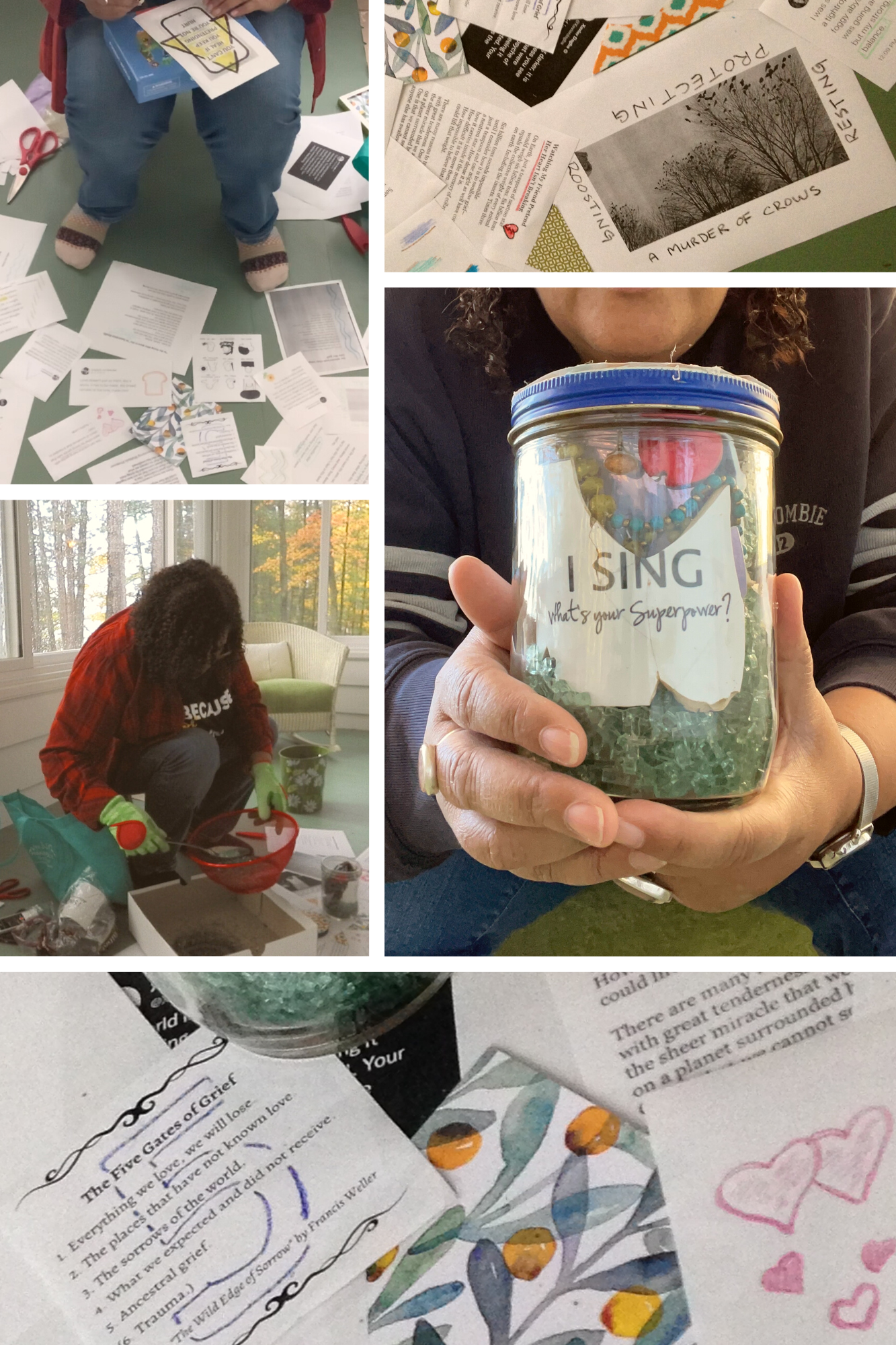
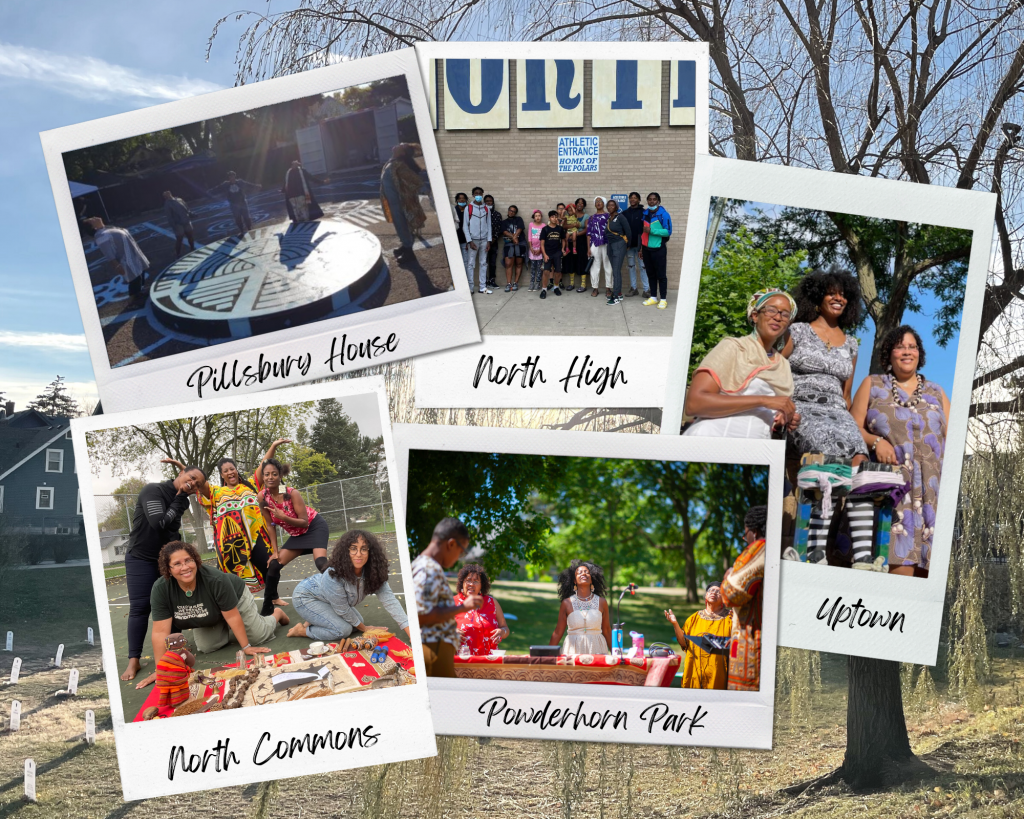
In the summer of 2022 while on an artist retreat, I began wondering if the sounds we make as we express sorrow help us to digest and transmute grief? And could I create a composition that incorporated these sounds? And would such a composition help us hold grief communally? With the help of some funding from Metro Regional Arts Council, I’m getting to spend some time finding out.
Most recently, I wondered if I could produce an anniversary release of my first improvised composition, Between: A Journey Through the Middle. I’ve got a lot to do but the concert celebrating the release is March 2nd. (Hop on my Sarah Sings email list if you want updates.😉🎶)
…
Every time I dive deep into a new project or step into an improvising space, I wonder what to do and how, with whom and when? I wonder if it will work and what I’ll learn when it does. And perhaps, more important, what I’ll learn when it doesn’t.
Finally, I’m wondering (when my heart is aching and the world is breaking 🎶) how to encourage and encounter more wonder. How can I discover more surprise, cultivate more caring, and experience more delight in the beautiful and unexpected world we live in?
As always, I am sending light and songs to all of us in this coming year. ✨🎶